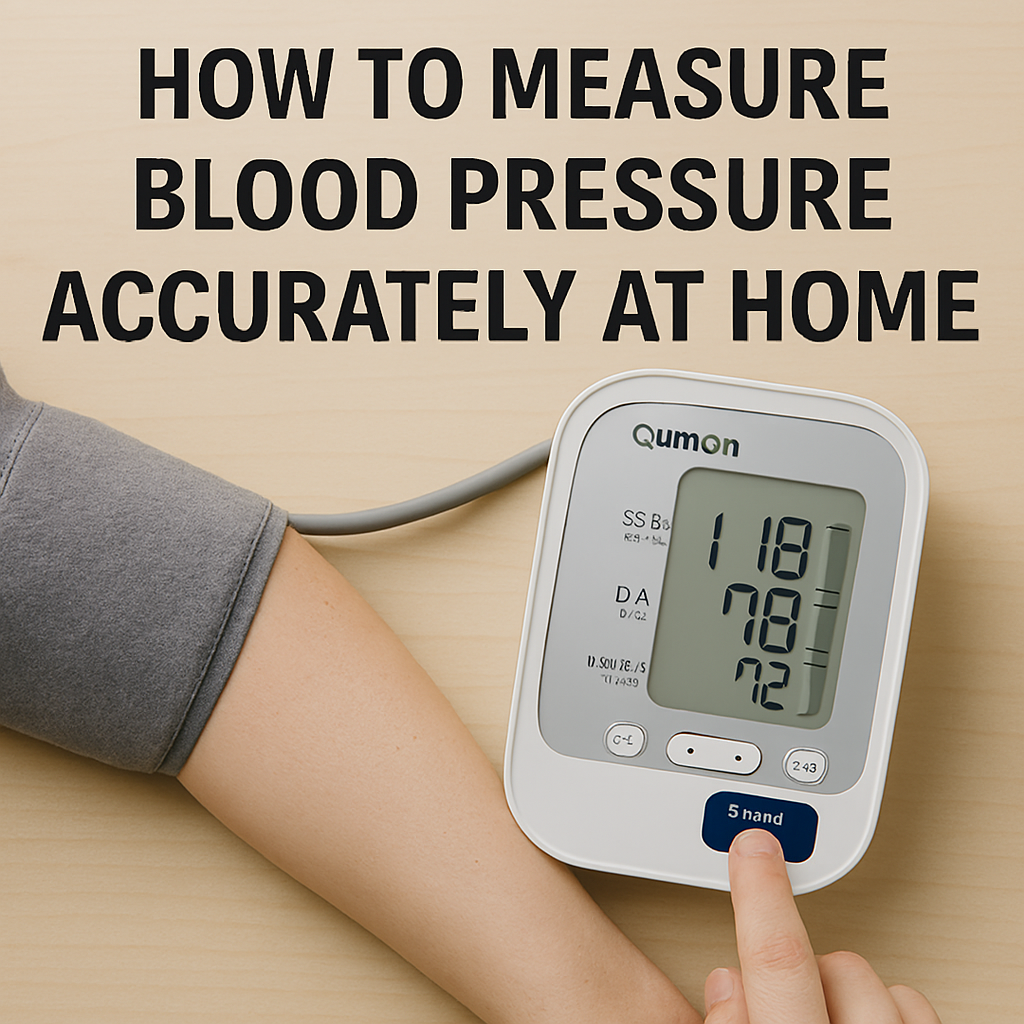
Learn how to measure blood pressure accurately at home using simple, doctor-recommended steps and avoid common measurement mistakes.
Monitoring blood pressure at home has become increasingly common due to the availability of accurate digital blood pressure monitors. However, incorrect measurement techniques can lead to misleading readings and unnecessary concern.
This guide explains how to measure blood pressure accurately at home using simple, evidence-based steps recommended by healthcare professionals worldwide.
This content is for informational purposes only and does not replace medical advice.
Why Accurate Blood Pressure Measurement Matter
Accurate blood pressure readings help individuals:
- Track long-term health trends
- Share reliable data with healthcare professionals
- Avoid false high or low readings caused by improper technique
Inaccurate measurements may occur due to poor posture, incorrect cuff placement, or measuring at the wrong time of day. Learning the correct method ensures more reliable results.
Best Time to Measure Blood Pressure at Home
For consistent results, experts generally recommend:
- Measuring blood pressure at the same time each day
- Avoiding exercise, caffeine, or smoking 30 minutes before measurement
- Sitting calmly for 5 minutes before checking
Many people prefer measuring blood pressure in the morning and evening to observe daily variations.
Step-by-Step: How to Measure Blood Pressure Accurately at Home and Correctly
Sit in the Correct Position
- Sit upright on a chair
- Keep both feet flat on the floor
- Do not cross your legs
- Rest your back comfortably
Correct Arm and Cuff Placement
- Place the cuff on the bare upper arm
- Keep the cuff at heart level
- Ensure the cuff fits snugly, not too tight
Stay Calm and Breathe Normally
- Avoid talking during measurement
- Breathe naturally
- Remain still until the reading is complete
Using a validated digital upper-arm blood pressure monitor makes this process easier for most home users.
Common Blood Pressure Measurement Mistakes
Some frequent mistakes include:
- Measuring immediately after physical activity
- Using an incorrectly sized cuff
- Sitting improperly or slouching
- Taking only one reading instead of two
Taking two readings and averaging them can improve accuracy.
How Often Should You Check Blood Pressure at Home?
How often blood pressure should be checked depends on individual health conditions and medical advice.
For general monitoring, many healthcare professionals suggest checking blood pressure once a day or a few times per week under similar conditions. People managing blood pressure concerns may be advised to monitor more frequently and share readings with their healthcare provider.
Consistency matters more than frequency. Measuring blood pressure at the same time each day helps produce more reliable trends.
Digital vs Manual BP Monitors — Which Is Better?
For home use, digital blood pressure monitors are generally preferred because:
- They are easy to operate
- Results are displayed clearly
- No technical training is required
Manual monitors are typically used by trained professionals in clinical settings.
👉 If you are choosing a device, you can explore our detailed guide on
best blood pressure monitors for home use.
Final Advice for Home Users
Home blood pressure monitoring can be a helpful tool when done correctly. Consistency, proper technique, and using a reliable monitor are key factors for accurate results.
If readings remain unusually high or low, it is always advisable to consult a qualified healthcare professional.
Medical Disclaimer
This article is intended for informational purposes only and does not constitute medical advice. Always seek guidance from a licensed healthcare provider regarding diagnosis or treatment decisions.
Choosing a reliable monitor is just as important as using it correctly. You can explore our expert-reviewed list of the best blood pressure monitors 2026 for home use.
About the Author
Faheem Khan is a health technology content reviewer focusing on home medical devices and everyday health gadgets.
At WellGiz, he researches consumer health tools using publicly available medical guidelines, manufacturer documentation, and usability-based analysis to help readers make informed decisions.